Introduction
Few things affect foot health as much as the shoes you wear. Whether you’re a casual walker or a dedicated runner, the right footwear can protect your feet, reduce the risk of injury, and make every step more comfortable. Unfortunately, many patients choose shoes based on fashion or marketing hype rather than function. As a podiatrist, I’ve seen firsthand how the wrong shoes can lead to problems like plantar fasciitis, bunions, or stress fractures. The good news is that selecting the right pair doesn’t have to be complicated when you understand the basics.
Why Proper Footwear Matters
Your feet are the foundation of your body. They absorb shock, support your weight, and keep you moving. A poorly designed shoe or one that doesn’t match your foot type can cause pain in not only the feet but also the knees, hips, and lower back. Over time, repeated stress in the wrong shoes can contribute to chronic injuries that limit activity. Proper footwear, on the other hand, cushions impact, aligns your gait, and supports healthy movement.
Walking Shoes vs. Running Shoes
Although walking and running may look similar, they place very different demands on the feet. Running generates up to three times your body weight in impact with each step, while walking produces much less force but requires more stability for longer periods of time.
Walking shoes tend to have more flexible soles, lower heel-to-toe drop, and built-in support for extended standing or slow movement. Running shoes usually feature more cushioning, energy-return technology, and variations designed for different types of runners, from sprinters to marathoners. Using the wrong shoe type can increase strain — for example, running in walking shoes may not provide adequate shock absorption.
Understanding Foot Types
One of the biggest determinants in choosing shoes is your foot type. People with flat feet need stability or motion-control shoes that prevent excessive inward rolling (overpronation). Those with high arches often require cushioned shoes to absorb shock and encourage a more neutral gait. Individuals with a neutral arch generally benefit from a stability shoe that balances support and cushioning.
A quick way to get an idea of your foot type is the “wet test.” Wet your foot, step on a piece of paper, and observe the footprint. A full imprint suggests flat feet, while a narrow midsection suggests high arches. A balanced footprint falls in between.
Features to Look For in Walking Shoes
When selecting walking shoes, prioritize a flexible sole that allows the foot to roll naturally from heel to toe. Cushioning in the heel and ball of the foot helps absorb repetitive impact. A snug but not tight fit around the heel prevents slipping, while a roomy toe box prevents irritation of the toes and nails. Lightweight materials improve comfort for daily use, especially if you’re on your feet for work.
Features to Look For in Running Shoes
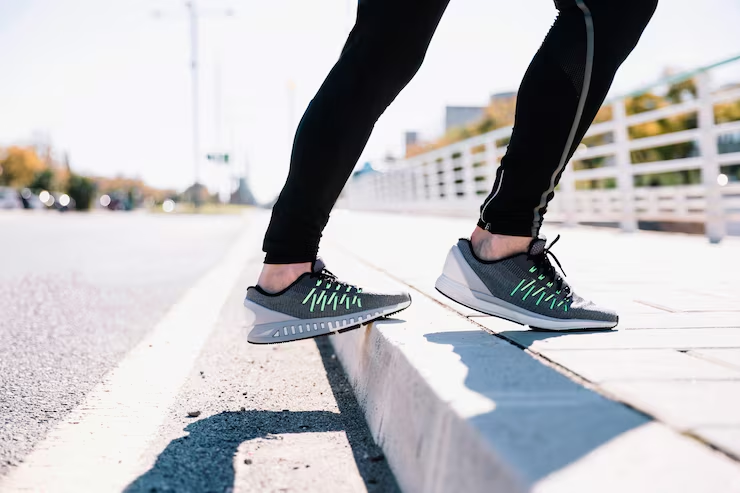
Running shoes should provide a blend of cushioning and stability tailored to your stride. Key features include a supportive midsole, breathable uppers to reduce moisture, and a heel-to-toe drop that matches your running style. Runners prone to injury may benefit from shoes with rocker soles that guide smooth forward motion. Specialty stores often perform gait analyses to help match runners with the right shoe category: neutral, stability, or motion-control.
Common Mistakes People Make
Many patients buy shoes that are too small, assuming they will “break in.” In reality, shoes should fit comfortably from the start. Others choose shoes based on looks rather than support, especially with trendy minimalist or fashion sneakers. Wearing worn-out shoes is another frequent issue. The average running shoe lasts about 300–500 miles before its support degrades, while walking shoes may last longer depending on use. Finally, people often stick with one brand forever, but foot structure and shoe technology evolve over time — meaning it’s wise to re-evaluate your footwear every few years.
When to Replace Your Shoes
Even if shoes look fine, the internal cushioning and support break down with use. Signs it’s time to replace shoes include worn tread, creasing in the midsole, or new aches in the feet and legs after activity. For runners, tracking mileage is helpful. For walkers or those using shoes daily, paying attention to comfort is key. If you notice foot pain that eases in new shoes but worsens in old ones, it’s time for a replacement.
Shoe Myths
One myth is that expensive shoes are always better. While high-end shoes often use quality materials, the most important factor is whether the shoe matches your foot type and activity level. Another misconception is that orthotics can fix any shoe. While orthotics add support, they can’t compensate for shoes that lack basic stability or fit poorly. Finally, barefoot or minimalist shoes are not universally beneficial; while some runners thrive in them, many develop injuries without proper adaptation.
Tips for Shopping Smart
Always try on shoes at the end of the day when your feet are slightly swollen, ensuring a true-to-life fit. Wear the socks you plan to use during activity. Walk or jog around the store to test comfort and stability. Don’t hesitate to size up if necessary — your longest toe should have about a thumb’s width of space from the end of the shoe. Consulting a podiatrist or a specialty running store can provide professional guidance, especially if you’ve had foot injuries before.
Conclusion
The best shoes for walking and running are not necessarily the trendiest or the most expensive. They are the ones that match your unique foot type, activity level, and comfort needs. Choosing wisely can prevent injury, relieve pain, and make every step more enjoyable. For patients dealing with recurring foot or ankle discomfort, pairing proper shoes with professional podiatric care is the best way forward. Healthy feet start with supportive footwear, and with the right pair, you can keep moving with confidence.