
Conditions

Achilles Tendon Rupture

The Achilles tendon, located at the back of the lower leg and ankle, is crucial for movement, connecting the calf muscles to the heel. Its remarkable strength enables us to exert forces up to 10 times our body weight.

A tear in the Achilles tendon, also known as a rupture, typically involves a complete gap between its upper and lower sections. While it commonly occurs 2-3 inches above the heel bone, it can also happen at the attachment point or higher up the leg.

Symptoms

Symptoms often manifest during activities like running, jumping, or due to trauma such as slipping and falling. Patients often describe hearing a "pop" or feeling like they were struck in the back of the ankle, followed by pain. Weakness while pushing off the foot during walking or standing on tiptoe is common after the tear, sometimes accompanied by a small bruise on the inside of the heel.

Diagnosis

Diagnosis involves a physical examination, where the ankle's position and response to pressure indicate the tendon's integrity. Special tests like ultrasound, X-rays, and MRI scans may assist in diagnosis.

Treatments

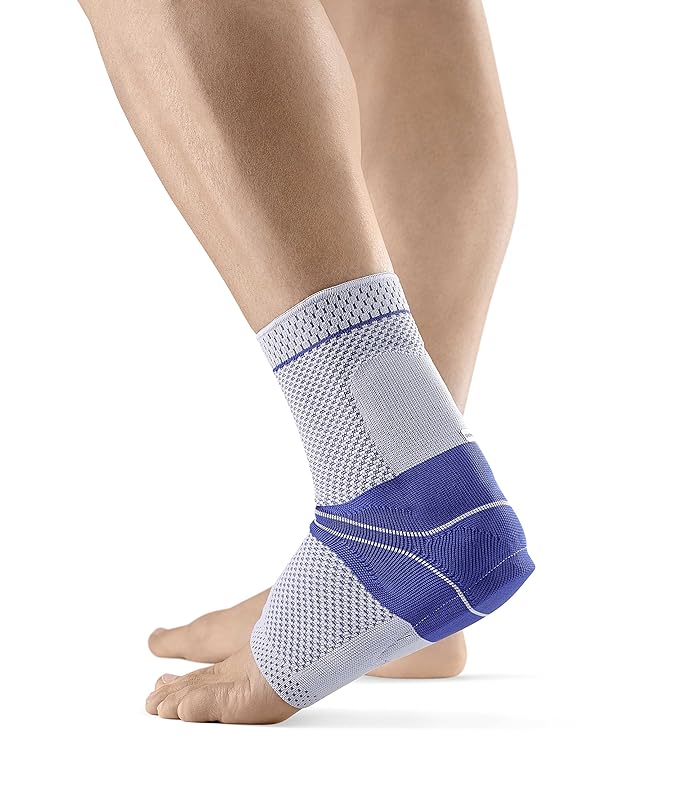
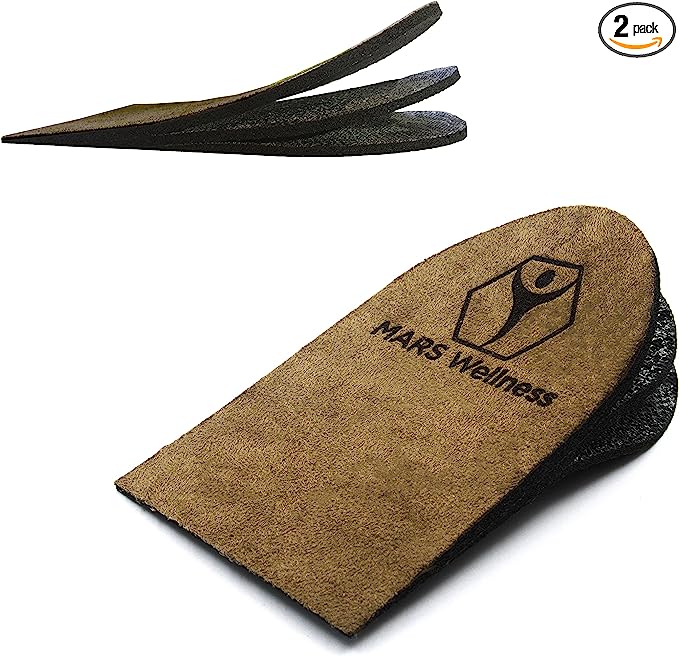
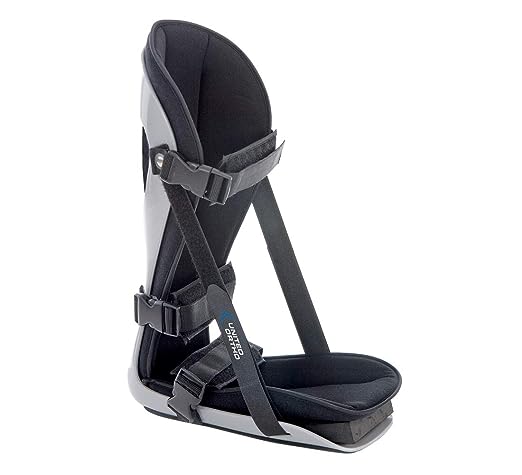
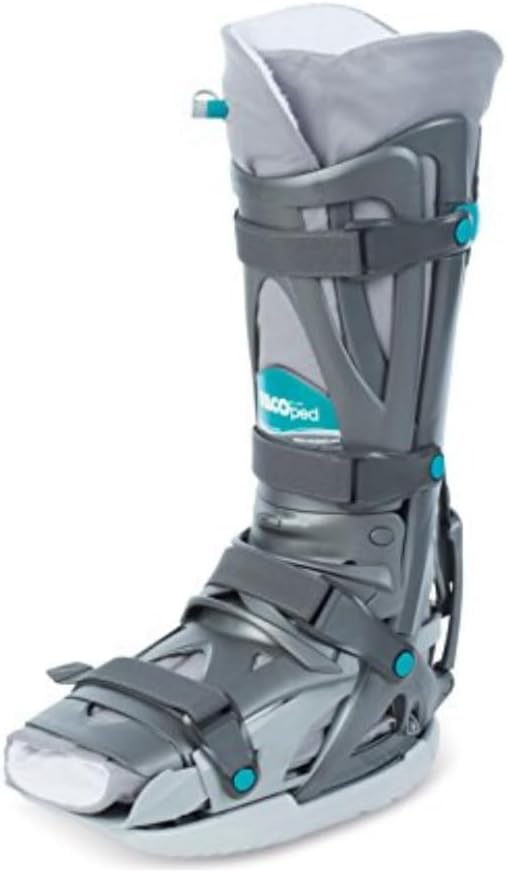
Treatment options, both surgical and non-surgical, are available. Which is better: surgical or non-surgical Achilles tendon treatment? Surgical repair of the Achilles tendon is believed to provide greater strength and reduce the risk of re-tearing, but it comes with potential complications. Non-surgical treatment involves rest, bracing, and gradual rehabilitation under the guidance of a physical therapist.

Recovery from an Achilles tendon tear is gradual, with full strength and normal sensation potentially taking over a year to return. Prevention strategies, including stretching exercises and avoiding smoking, may help reduce the risk of injury.

Prevention

Do exercises or stretching reduce the risk of Achilles tendon rupture? Achilles tendon tears are such an uncommon occurrence that there has been a definitive study addressing this question thoroughly. While it seems reasonable to implement a stretching regimen for the Achilles tendon, the tangible benefits haven;t been adequately demonstrated. Nevertheless, there’s no harm in incorporating tendon stretching into every athlete’s warm-up routine. It’s advisable to steer clear of smoking since the detrimental impact of cigarettes on tendon health is well-documented. 

Post-surgical considerations

Patients with a history of Achilles tendon tear have a 6% chance of experiencing the same injury on the other foot. Early range-of-motion exercises and weight-bearing on the injured leg, balanced with caution to prevent further damage, can aid in faster healing. Smoking cessation during the healing process is also beneficial.


Make An Appointment

If you're experiencing any foot or ankle conditions, we’re here to help. Schedule an appointment today to get the care you need.

Frequently Asked Questions

1. How do I know if I have ruptured my Achilles tendon?

Common signs and symptoms of an Achilles tendon rupture include a sudden, sharp pain in the back of the ankle or calf, swelling, difficulty walking or standing on tiptoe, and a popping or snapping sensation at the time of injury.

3. What does surgery for an Achilles tendon rupture involve?

Achilles tendon repair surgery typically involves making an incision in the back of the leg, reattaching the torn ends of the tendon, and reinforcing the repair with sutures or other techniques. In some cases, additional procedures such as tendon grafting or augmentation may be performed.

How long does achilles tendon tear surgery recovery take?

Doctors diagnose an achilles tendon rupture through physical examination, strength testing, and imaging such as ultrasound or MRI. Dr. Kamel Foot & Ankle evaluates the severity of the injury and recommends appropriate treatment options to restore tendon function and mobility.

What are the common symptoms of achilles tendon rupture?

Common symptoms of achilles tendon rupture include sudden heel pain, swelling, difficulty walking, and a popping sensation in the back of the ankle. Early evaluation at Dr. Kamel Foot & Ankle helps confirm the injury and begin appropriate treatment quickly.

2. Do I need surgery for an Achilles tendon rupture?

The decision to undergo surgery for an Achilles tendon rupture depends on factors such as the extent of the injury, the patient's age and activity level, and their overall health. Surgery is often recommended for younger, active individuals or athletes, as well as for complete ruptures or large partial tears.

How do doctors diagnose an achilles tendon rupture treatment?

Doctors diagnose an achilles tendon rupture through physical examination, strength testing, and imaging such as ultrasound or MRI. Dr. Kamel Foot & Ankle evaluates the severity of the injury and recommends appropriate treatment options to restore tendon function and mobility.

Where can patients find an achilles rupture specialist near Rancho Cucamonga?

Patients searching for an achilles rupture specialist near Rancho Cucamonga often turn to Dr. Kamel Foot & Ankle for expert care. The clinic provides advanced diagnosis and treatment options designed to repair tendon injuries and support long-term recovery.

Where can patients find an achilles rupture specialist near Rancho Cucamonga?

Patients searching for an achilles rupture specialist near Rancho Cucamonga often turn to Dr. Kamel Foot & Ankle for expert care. The clinic provides advanced diagnosis and treatment options designed to repair tendon injuries and support long-term recovery.

Still have questions?

Reach out directly to Dr. Kamel.