
Introduction
Hearing the word “surgery” can feel intimidating, especially when it involves your feet and ankles — the very foundation of how you move every day. Whether it’s a bunion correction, Achilles tendon repair, or ankle stabilization, surgery may become the best option when conservative treatments are no longer effective. Knowing what to expect before and after surgery can help patients feel more confident, prepared, and empowered in their recovery journey.
When is Foot or Ankle Surgery Recommended?
Not every foot or ankle condition requires surgery. In fact, most problems like plantar fasciitis, tendonitis, and mild arthritis respond well to non-surgical care such as physical therapy, bracing, injections, and orthotics. Surgery is typically recommended when pain persists despite months of conservative treatment, or when a condition is severe enough that it interferes with walking, work, or athletic performance.
Common surgical reasons include bunions that make shoes difficult to wear, chronic ankle instability from repeated sprains, painful hammertoes, fractures that require alignment, Achilles tendon ruptures, and advanced arthritis that limits mobility. A detailed exam and imaging studies such as X-rays or MRI help determine if surgery is the right option.
Preparing for Surgery
Preparation is one of the most important steps toward a smooth surgical experience. Patients often begin with a preoperative consultation, where the surgeon explains the procedure, expected outcomes, and potential risks. This is the time to ask questions about anesthesia, recovery timelines, and post-op restrictions.
Medical clearance may be needed, especially for patients with conditions like diabetes, heart disease, or hypertension. Pre-surgical labs or EKGs ensure the patient is in good health to undergo anesthesia. Certain medications such as blood thinners may need to be stopped before surgery.
Patients should also plan their home environment. Setting up a recovery area with easy access to essentials, arranging for help with daily activities, and preparing meals in advance can make the initial post-op period less stressful. For surgeries that limit weight-bearing, devices like knee scooters, crutches, or walkers may be recommended.
The Day of Surgery
Most foot and ankle surgeries are performed on an outpatient basis, meaning patients go home the same day. Depending on the procedure, anesthesia may be local (numbing only the foot), regional (numbing from the knee down), or general (complete sleep).
The length of the surgery depends on the complexity. A hammertoe correction may take under an hour, while an ankle ligament reconstruction or joint replacement may take several hours. Patients are typically monitored in a recovery area before discharge.
Immediately After Surgery
Post-surgery, the focus shifts to pain management, wound care, and protecting the surgical site. Patients usually go home in a splint, cast, or boot to immobilize the area. Elevation is crucial during the first week to minimize swelling. Pain medications, often a combination of over-the-counter anti-inflammatories and prescribed medication, help keep discomfort under control.
It’s normal to experience swelling, bruising, and stiffness initially. Following instructions closely — including restrictions on walking or driving — helps prevent complications. Patients should be on the lookout for warning signs such as increasing pain, fever, or unusual drainage, which could indicate infection.
The Recovery Timeline
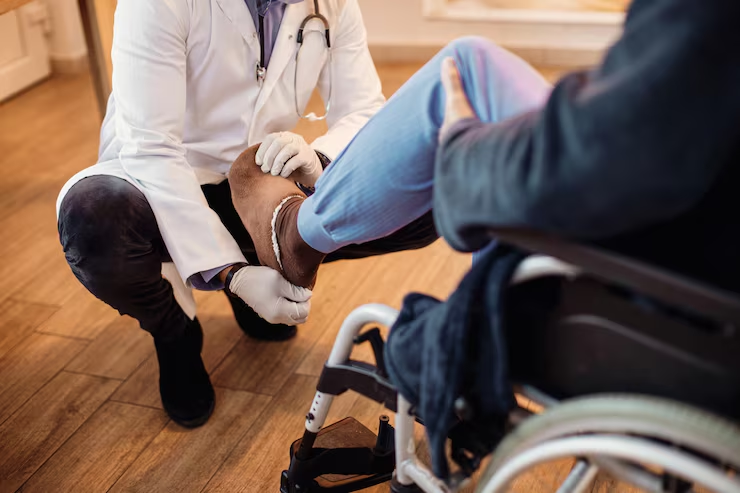
Recovery varies widely depending on the surgery performed. Some minor procedures allow walking within a few days in a protective shoe, while more complex reconstructions require weeks or even months of limited weight-bearing.
In general, soft tissue procedures like tendon repairs may require six to twelve weeks for healing, while bone procedures such as fusions or osteotomies may take three to six months before patients feel close to normal. During this time, follow-up appointments with the surgeon are essential to monitor healing progress.
Physical therapy often plays a key role in recovery. Therapy restores range of motion, strengthens surrounding muscles, and retrains balance. Skipping therapy can prolong recovery or increase the risk of re-injury.
Returning to Daily Life and Activities
One of the most common questions patients ask is, “When can I get back to normal?” The answer depends on both the type of surgery and the individual’s lifestyle. Someone with a desk job may return to work sooner than someone with a physically demanding job that requires standing or heavy lifting.
Athletes often require structured return-to-play programs, ensuring their foot or ankle is strong and stable enough to handle sports-specific movements. For patients with arthritis procedures like ankle replacement, the goal is usually to return to pain-free walking and recreational activities, though high-impact sports may not always be realistic.
Preventing Complications
Like any surgery, foot and ankle operations carry risks such as infection, nerve irritation, blood clots, or delayed healing. The good news is that these risks are relatively low when patients follow medical instructions carefully. Maintaining good nutrition, avoiding smoking, and keeping blood sugar well-controlled in diabetic patients are all factors that support proper healing.
Wearing appropriate footwear after recovery and continuing strengthening exercises can help protect the results of surgery. In many cases, surgery is not just about correcting a problem but also about setting the stage for better long-term foot health.
Myths About Foot and Ankle Surgery
Some patients hesitate to pursue surgery because they’ve heard myths like “you’ll never walk normally again” or “all foot surgery is extremely painful.” While discomfort and downtime are expected, advances in surgical techniques, anesthesia, and recovery protocols have dramatically improved patient outcomes. Many patients walk comfortably and return to active lifestyles once healing is complete.
Another myth is that surgery should be delayed as long as possible. While conservative treatment is always preferred first, waiting too long can sometimes make a condition worse and limit surgical options.
Conclusion
Foot and ankle surgery can sound daunting, but for many patients, it is the key to getting back on their feet without constant pain. Understanding what to expect before and after the procedure allows patients to feel prepared and engaged in their recovery. With the right preparation, professional care, and dedication to rehabilitation, surgery can provide long-lasting relief and restore quality of life.