
You are not the only person who is experiencing pain in their feet because of a bunion. The sore bump near the big toe may gradually interfere with daily activities, shoes, and movement. Although one does not wake up with bunions gone, focused movement can help. Flexibility, strengthening of supportive muscles, and long-term comfort support can be enhanced with the help of consistent bunion exercises. Mythically, when done properly, these movements also have a significant role to play in bunion pain management and daily foot conditions.
Why Exercises Are Important for Bunion Relief
Bunions develop due to misalignment of the joints, muscle imbalance, or long-term pressure on the forefoot.
Exercise cannot reverse the deformity, but regular bunion pain exercises may slow the rate of progression.
Consistent movement helps reduce stiffness in the affected joint.
Targeted exercises can help improve toe positioning over time.
These movements are also recognized as effective bunion relief techniques.
Top 10 Effective Bunion Exercises
1. Big Toe Stretch
Slowly position the big toe in the right position and maintain a 10-second position. This is among the most useful bunion stretches and exercises to keep the joints in good shape.
2. Toe Flex and Extend
Fold your toes upside down, then upwards. This bunion toe exercise will improve range of motion and reduce joint stiffness.
3. Toe Resistance Press
Press your big toe against your hand or a resistance band. These toe exercises for bunions help strengthen muscles that stabilize the joint.
4. Towel Scrunches
Place a towel on the floor and scrunch it toward you with your toes. These feet exercises for bunions improve foot strength and balance.
5. Marble Pick-Ups
Use your toes to pick up small objects. This movement improves coordination and supports bunion pain management by strengthening intrinsic foot muscles.
6. Toe Spreading Exercise
Take your toes as wide as you can and unwind. This is one of the most important components of effective bunion exercises, as it helps maintain muscle balance.
7. Heel Raises
Rise slowly on your toes and let go. The reason is that heel raises decrease forefoot pressure and supplement other bunion pain exercises.
8. Ball Roll Massage
Squeeze your foot on a tennis ball for between one and two minutes. This gentle procedure maintains the flow and helps reduce bunion pain. Keep in motion.
9. Big Toe Extension
Raise the big toe and leave the rest of the toes flat. This is a bunion on the big toe that resulted from controlled exercises designed to enhance the control and alignment of the joints.
10. Ankle and Arch Stretch
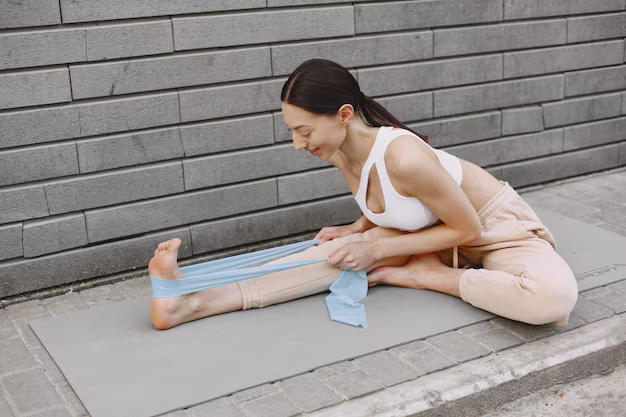
Ankle and arch stretches help reduce load on the big toe joint and increase overall bunion stretches and exercises.
How Often Should You Perform These Exercises?
These at-home bunion exercises should be performed one or two times a day for maximum effectiveness
Each stretch should be held for 10–15 seconds
Repeated strengthening movements should be performed 810 times per session
Such bunion relief methods are important in keeping the body comfortable and flexible
Consistency is necessary to achieve long-term outcomes and sustained relief.
Farewell, Exercises With Smart Foot Care.
Exercises are most effective when combined with supportive footwear, proper arch support, and avoiding overloading the forefoot. Bunion foot exercises, coupled with healthy habits, can help reduce bunion pain over time and improve daily function.
The Right Time to Seek Professional Help
Exercises can help with symptoms like bunions and normal movement, but pain, swelling, or limited movement may indicate a need for specialist help. Pain is one thing that you cannot overlook, and more so when the pain is constant and it is very uncomfortable to walk or stand on your feet.
At Dr. Kamel Foot & Ankle Center, patient-centered care is a blend of medical skills and noninvasive treatment interventions, such as guided exercise programs and novel foot care options. When the pain in the bunion remains despite all attempts at bunion pain management, the professional evaluation would allow you to preserve the health of your feet and restore your comfort in the long term.
Conclusion
Along with a consistent practice of the right bunion exercises, this action may serve a significant purpose in enhancing the flexibility, alleviating the stiffness, and helping with long-term bunion pain management. Specific exercises for bunions to reduce pain and prevent further progression can be performed with proper footwear and daily use, along with gentle bunion stretches.
Although at-home bunion and toe exercises are recommended for mild to moderate symptoms, they should not be ignored, as they may lead to persistent or worsening pain.
The staff of competent specialists at Dr. Kamel Foot & Ankle Center provides you with an individual care plan and more complicated treatment opportunities to make sure that you will be able to preserve your feet and mobility. In the scenario where the pain has rendered you incapable of doing your daily chores due to a bunion, expert counseling would be one that would make a difference forever.
FAQ’s
● What are the best bunion exercises to reduce pain at home?
The most effective options include bunion exercises like big toe stretches, towel scrunches, and toe spreading, which support flexibility and reduce bunion discomfort when done consistently at home.
● Do toe stretches really help with bunion pain relief?
Yes, regular toe exercises for bunions can improve joint mobility, reduce stiffness, and support better alignment, supporting ongoing bunion pain management.
● How often should I do bunion exercises for better results?
For best results, perform exercises for bunion pain once or twice daily, focusing on gentle movement and consistency rather than intensity.
● Can foot exercises fix a bunion without surgery?
While foot exercises for bunions cannot reverse a bunion, they can slow its progression, improve comfort, and support daily function without surgery in mild-to-moderate cases.
● Are there any simple bunion stretches I can do daily?
Yes, gentle bunion stretches and exercises such as toe pulls, big-toe extensions, and ankle stretches are simple, effective, and safe for daily practice.